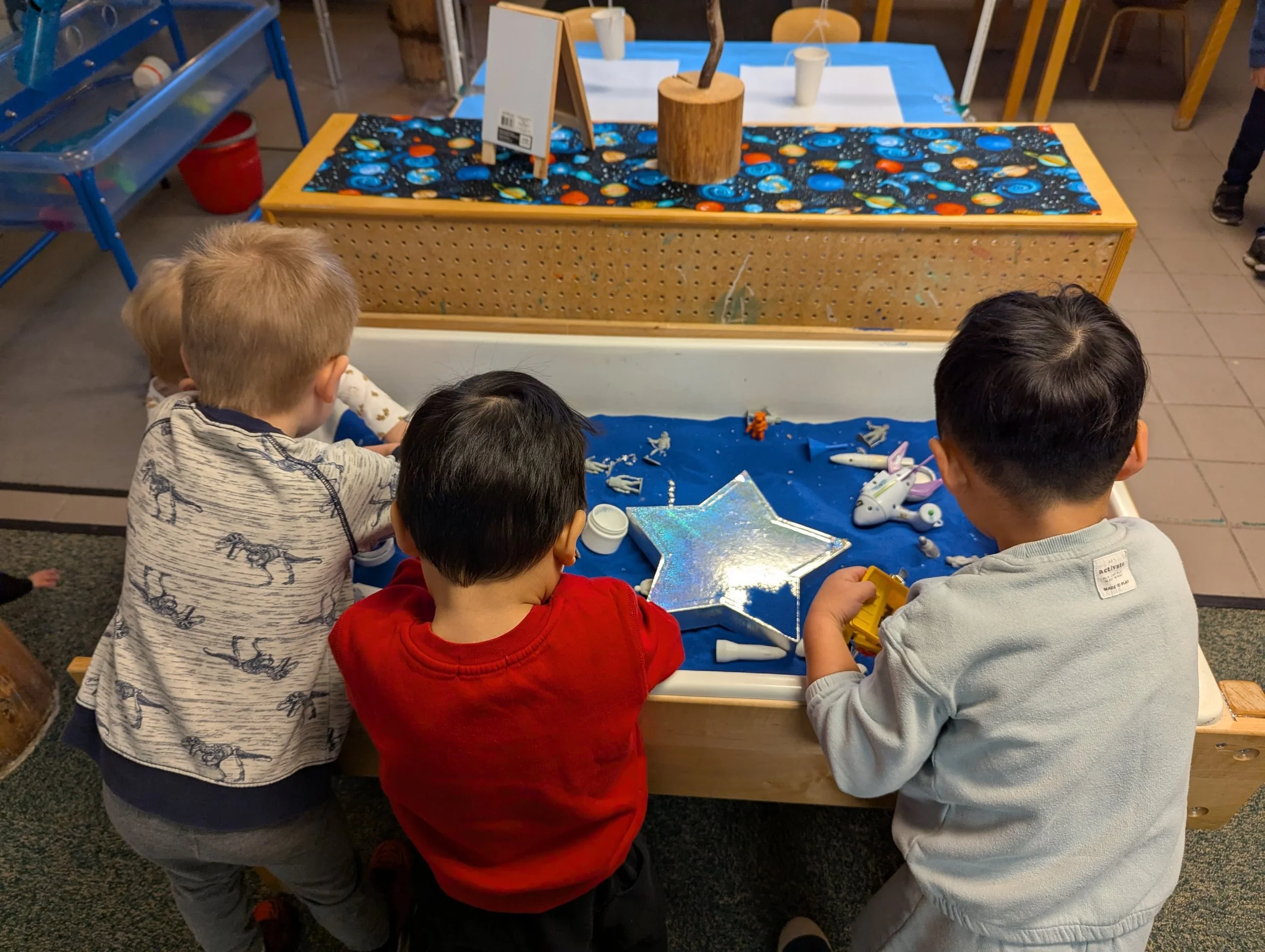
Play-based cooperative preschool
in Sammamish
2026-2027 Registration is open - enroll today!
Schedule a Preschool Tour Now
Why choose our Co-op Preschool for your child?
Play-based education
Experienced and dedicated teachers
Affordable tuition
5 to 1 or lower child to adult ratio
Large outdoor playground
Access to parent education opportunities
Close-knit, rich community of parents and families
Our non-profit co-op specializes in play-based early learning. Children learn to problem-solve, develop social skills, and explore their world through play.
Research shows, and we agree: early childhood play-based education is truly the most “academic” choice a parent can make.
Family involvement in education is one of the most powerful predictors of healthy development and high achievement. At PLCP, parents are involved in every aspect of their child’s education, from working in the classroom to helping run the preschool.

About Us
We are a cooperative preschool in Sammamish for children ages 3-5. Curriculum is designed by skilled and experienced professionals.

Our Classes
We offer play-based, child-centered early learning curriculum that prepares children for academic and lifelong success.

Register
Contact our Registrar about joining us this school year as we have just a few openings.

Parent Education
We offer integrated parent education, committed to learning alongside our children.

Frequently Asked Questions:
-
Social skills essential to a smooth transition to kindergarten are emphasized throughout the preschool program to help children develop the abilities to play and work cooperatively in groups, and share and work out differences peacefully.
Creativity and intellectual curiosity are encouraged with activities that allow children to learn through exploration and discovery.
Listening and appropriate group behavior skills are learned through participating in circle time and concept time.
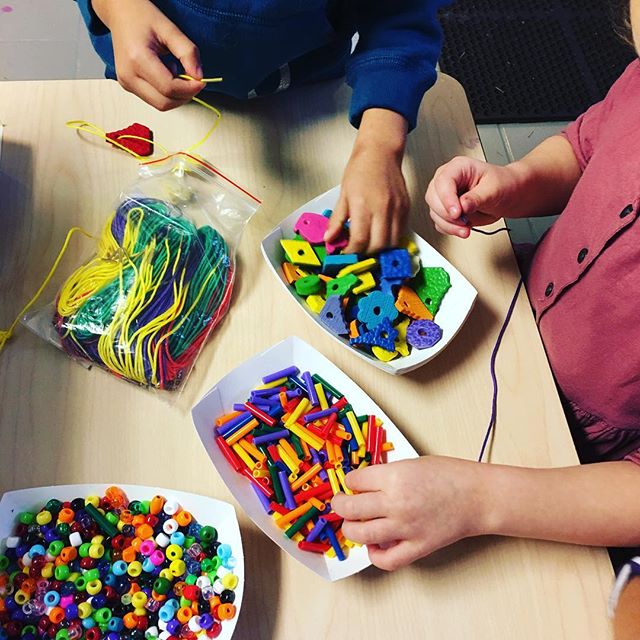
Fine motor skills are practiced through various art and craft projects and creative play with sensory materials and toys, which emphasize manipulative skills.
Gross motor and cooperative play skills are practiced during outdoor playtime with access to climbing equipment, riding toys, slides, swings, balls and a sandbox.
-
The preschool environment allows children to learn through creative activities, discovery and exploration.
Social skills are encouraged through teaching children to work out differences during play activities, behave appropriately during circle and concept time, and play together cooperatively.
Academics are woven throughout each activity to reinforce the weekly concept.
Specific academic skills such as reading and writing are not emphasized; rather the basic underlying skills such as fine motor and language development are encouraged and practiced.
-
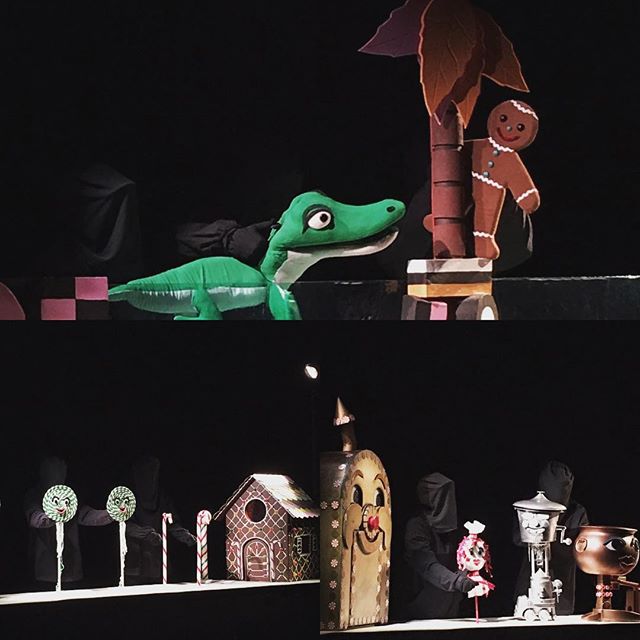
"Free-play" time includes toys to encourage creative and cooperative play such as a kitchen, puppets and puppet theater, doll houses, plastic animals, dress-up clothes, science table and a climbing loft with books.
Art and craft projects, generally organized around a central theme being discussed throughout the preschool day, as well as paint, playdough and sensory tables.
Activities and toys that encourage small motor and manipulative skills and encourage children to think creatively and play together.
Snack time and cooking projects.
Concept time with discussion of topics related to science, nature and animals.
Music, finger plays, stories and sharing in group circle time.
Active playtime either outdoors or in an indoor play area on wet days.
-
Field trips, often designed to augment the curriculum or themes for the month, are planned and coordinated for each class throughout the year to provide hands-on learning and real-world experiences.
-
Each week teachers present themes and then use that theme to introduce the children to academic concepts. The various activity stations provide children with ways to manipulate, explore and understand those concepts. Academics are woven into every activity. This is a proven approach, and studies demonstrate a lasting impact.
Concrete examples of preschool activities as teaching tools:
At the pen and ink table, activities change depending on the week's theme. For example, during post office week children can write letters to their friends, address envelopes, or just write about their week in their class journals. A teacher or parent is there to guide children.
At the playdough table, children build their hand muscles to support proper writing skills. Teachers add items that dovetail with the week's theme. For example, during farm week little plastic farm animals and fences allow children to create imaginary scenarios. This builds vocabulary and the ability to create narratives. When other children play, they are able to expand that narrative while building social skills. By exploring animals and how they live, children learn to examine the natural world and look for ways to understand it. This is the foundation of scientific method.
Parents can always talk with the teachers about the academic goals of each activity.
-
Work in the classroom from one to three days each month (dependent on number of class days per week and class enrollment).
Participate in monthly parent education opportunities.
Hold a committee position to aid in operating the preschool. Positions range from serving on the board to assisting with cooking and science during class days or helping with library and supply maintenance. Positions are selected during the first adult-only meeting of the school year to allow each person to select a job matching their skills, interests and time availability.
-
Preschool begins in mid-September and continues through the end of May.
The school observes the same holiday and closure schedule as the Issaquah School District.